Understanding Chinese Medicine
What is Chinese Medicine?
Chinese traditional medicine, sometimes known as Traditional Chinese Medicine (TCM) is a several thousand year-old system of balancing the body’s own health-preserving forces.

Components of Chinese Medicine
Diagnosis
Find out how Chinese medicine practitioners describe the disharmonies of the body and perform a diagnosis. In this package:
Asking the Questions
No one knows your body as well as you do, so help your practitioner learn about your by answering these questions.
Listening and Smelling
Evaluating your voice and smell can help your doctor zero in on the origins of disharmony.
Pulse and Touch
Did you know there are 28 different pulses? And your reaction to pressure along acupuncture meridians can provide important information.
Tongue, Body Language, and Face
Your tongue, body language, and facial color offer strong clues to the location of disharmony.
Acupuncture
Acupuncture is the art of inserting fine sterile metal needles into certain body or ear points to control the body’s energy (Qi) flow.
Moxibustion
Moxibustion is the common herb mugwort (called moxa in Chinese) that is burned over certain points or areas.
Herbal Therapy
Herbal Therapy is integral to Chinese medicine. The herbs selected reflect the type of imbalance which has been diagnosed. Herbal medicine may be used alone or in conjunction with other therapies.
Dietary Therapy
Dietary therapy focuses on improving digestion, increasing energy, and balancing body energy. Food therapy often increases the effect of other treatments.
Exercise/Meditation: Qi Gong
Exercise includes martial arts as well as more subtle movement such as T’ai Chi, Qi Gong, and Yoga. Gym work-outs or aerobic exercise are also suggested. Meditation may include traditional Asian forms as well as relaxation exercises, hypnotherapy, and bio-feedback.
Natural Medicine Journal Podcast
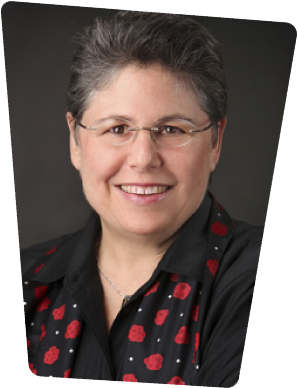
Discussing the Validation and Effectiveness of Chinese Oriental Medicine, an interview with Misha Ruth Cohen, OMD, LAc.